• A Dash of Humility and a Bowl of Khichdi

    I’ve always stayed true to two leadership practices.
    ✔️ Seeking feedback consistently.
    ✔️ Taking full ownership when things go wrong.

    In one-on-one check-ins, I invite feedback from my team not as a formality, but as a mirror. Sometimes, the reflection isn’t flattering. For instance, I’ve been told my feedback style can feel too direct, maybe even harsh.

    It wasn’t easy to hear that. But it made me pause and shift. I began using a coaching approach: instead of telling, I started asking. I framed my thoughts as questions, nudging team members to arrive at the insight themselves. It took time, patience, and a lot more preparation, but the shift was powerful. They felt heard. I felt more connected.

    Humility doesn’t mean shrinking. It means showing up with the courage to be wrong, and the willingness to evolve.

    Another space where humility shows up for me is in the face of failure. Whenever a client escalation happened, I never passed the buck. I stood in front, took responsibility, and shielded the team. Not because I had to, but because leadership is about owning the process, not just the praise.

    And speaking of humility…

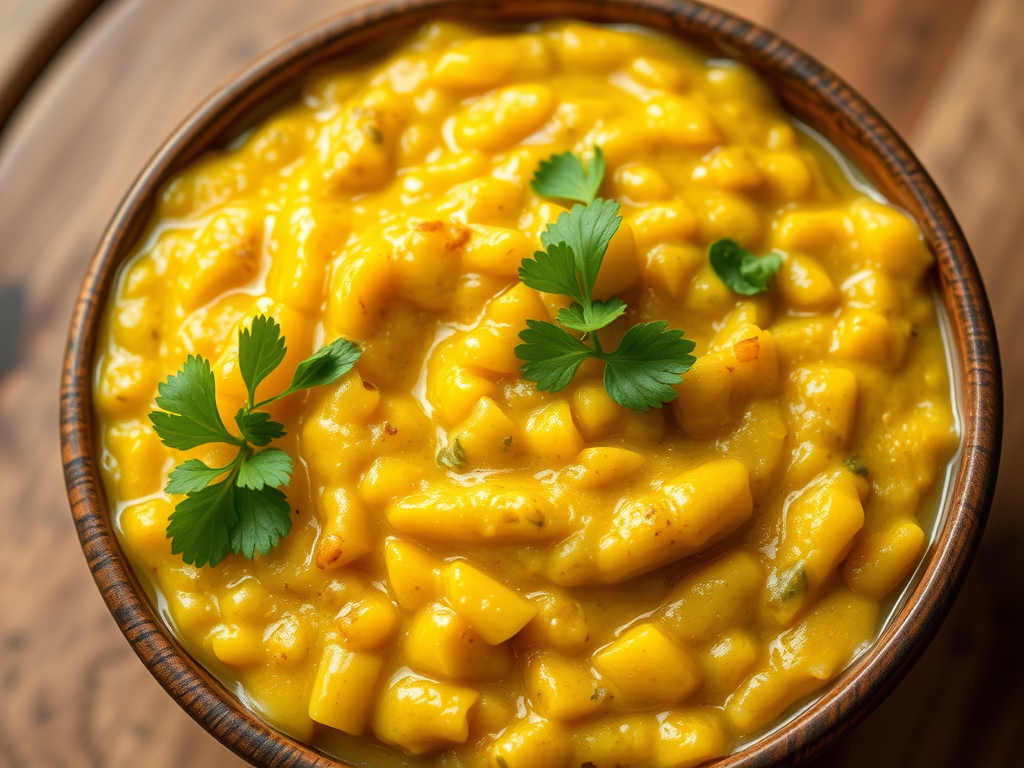
    What better dish to represent this leadership spice than a bowl of khichdi?
    Humble, forgiving, nourishing and universally comforting. Like humility, it may seem simple on the surface, but it holds depth, balance, and quiet strength.

    Khichdi originated in ancient India and is one of the oldest comfort foods in the subcontinent. Dating back to the Vedic period, it was praised in Ayurvedic texts for being light and nutritious. Made with rice and lentils, the dish was simple. Its simplicity allowed it to evolve across regions. Each region added their own twist. Examples include Bengal’s spiced bhuna khichuri and South India’s pongal. Even the Mughals created richer versions, influencing dishes like biryani. Over time, khichdi became a symbol of unity in diversity, and was even showcased as India’s first “superfood” in 2017.

    The Humble Khichdi Recipe

    Ingredients:

    • 1/2 cup moong dal (yellow lentils)
    • 1/2 cup rice
    • 1 tbsp ghee (clarified butter)
    • 1/2 tsp cumin seeds
    • 1/4 tsp turmeric powder
    • Salt to taste
    • 1 chopped green chili (optional)
    • A pinch of asafoetida (hing)
    • 3–4 cups water (adjust based on your texture preference)

    Tempering (optional):

    • Ghee
    • A few curry leaves
    • A pinch of red chili powder

    Method:

    1. Wash the rice and dal together and soak for 15–20 minutes.
    2. In a pressure cooker, heat ghee, add cumin seeds, green chili, hing, and turmeric.
    3. Add the soaked rice and dal. Mix well.
    4. Add salt and water. Pressure cook for 3–4 whistles (or cook in an open pot until soft).
    5. Add a final tempering of ghee, curry leaves, and red chili powder if you like.

    Serve hot with papad, pickle, or just a spoonful of curd.

    Leadership, like khichdi, doesn’t need to be fancy to be fulfilling.
    When spiced with humility, it nourishes trust, growth, and resilience.

    What’s your favorite spice in leadership?

  • Leadership Bites

    Just Like Canapés

    When we think of leadership, we often think of visibility. Big decisions. Strategy decks. Townhalls. Announcements that echo across the organization. I’ve worked with many teams. When I look back at the moments that truly shaped the culture, they were rarely dramatic. They were small. Almost invisible. And yet, they changed everything.

    For me, bite-sized leadership is about those small acts that don’t need to be noticed by anyone. They aren’t designed for applause. They aren’t posted on social media. They are not even always recognized as “leadership.” And yet, they quietly tell people that you matter most.

    That is where culture is actually built.

    The 30-Minute Ritual That Became Culture

    During COVID, like many leaders, I was concerned about output. But more than that, I was concerned about emotional distance. Cameras were off. Energy was lower. Conversations were transactional. People were delivering, but they were not necessarily connecting.

    So I started something simple. Every week, for thirty minutes, we met with no agenda and no work talk. We called it “Fun Time.” Some days we played light online games. Some days someone shared a childhood memory. Some days we simply laughed about routine stories and memories from the past.

    There was no strategic objective written behind it. I wasn’t thinking about engagement metrics or retention numbers. I just felt that we needed something human. And, in that process, we discovered so much about each other.

    Months later, I began noticing subtle shifts. Meetings felt warmer. Disagreements were handled with more ease. People were more patient with each other. Collaboration became smoother. That small weekly ritual, repeated consistently, had quietly shaped how we showed up together.

    It didn’t come from a policy. It came from presence.

    That, to me, is bite-sized leadership.

    Coffee Conversations That Change Trajectories

    Some of the most powerful leadership moments don’t happen in formal reviews. They happen over coffee. Or during lunch. Or in the few unstructured minutes before a meeting begins.

    I have worked with many leaders who take twenty minutes after lunch and simply check in with someone from their team. Not to discuss deliverables or review targets, but to just connect.

    At first, people are surprised. But gradually, they begin to open up. A parent’s health issue. A child’s exam anxiety. Personal fatigue that hasn’t yet become visible in performance. Adjustments are made early. Support is offered informally. Burnout is prevented before it escalates.

    This is not a retention strategy. It is leadership presence. People stay not because they are managed well but because they feel seen before they feel stressed.

    A Letter That Spoke Volumes

    When I first heard about how Indra Nooyi led during her tenure at PepsiCo, one story stayed with me. She wrote letters to the parents of her senior executives, thanking them for raising exceptional leaders. Just pause and imagine that.

    In the middle of running a global corporation, she took the time to acknowledge the families behind her leadership team. That letter was not a strategy shift. It did not alter market share overnight. But emotionally, it must have landed deeply.

    At dinner tables across the world, parents would have read those letters aloud. Pride would have filled those homes. And the executives themselves would have felt valued in a way that went beyond performance metrics.

    That is bite-sized leadership. A small gesture. A profound imprint.

    The Calm Conversation After Failure

    In sport, we often celebrate aggressive, fiery leadership. If you observe someone like Rahul Dravid, you see a different texture of leadership. This is especially true in his role mentoring young players.

    He is known for sitting quietly with players after difficult matches. No dramatic speeches. No public criticism. Just calm, thoughtful questions. In those moments, he is not just correcting technique. He is building confidence. He is normalizing learning. He is telling a young athlete that one bad day does not define them.

    Those small, repeated conversations build resilience over time. They are not loud. But they are transformative.

    Shifting Culture One Meeting at a Time

    When Satya Nadella became CEO of Microsoft, much has been written about the strategic transformation he led. But what fascinates me is the behavioral shift he modeled. He encouraged curiosity. He asked more questions. He listened more than he spoke. He nudged the culture from “know-it-all” to “learn-it-all.”

    Culture did not change because of one memo. It changed because in meeting after meeting, he demonstrated a different way of showing up. Over time, that behavior cascaded.

    Leadership is contagious. But so are small behaviors.

    The Three-Minute Pause

    I once read about a senior surgeon who had a simple practice before every surgery. He would pause with his team for a few minutes, not just for procedural briefing, but to check in.

    Sometimes that pause surfaced fatigue. Sometimes it clarified an overlooked detail. Sometimes it simply grounded the team. Three minutes. That’s all. And yet, those three minutes prevented errors and strengthened trust.

    What the Makanai Taught Me About Leadership

    There is a lovely Japanese series called The Makanai: Cooking for the Maiko House. It is gentle, unhurried, almost meditative. It revolves around a young girl who cooks for maiko, an apprentice geisha in a traditional house in Kyoto.

    What struck me most while watching it was not the elaborate meals. It was the small ones. The quiet plates that never made a grand announcement but carried deep meaning.

    There is a scene where leftover bread crusts are not discarded. In fact, they were used to celebrate the success of the maiko. They are carefully fried and lightly dusted with powdered sugar. Suddenly, what was ordinary becomes a small delight. Waste becomes a moment of sweetness. Isn’t that leadership too? Taking what feels like a leftover moment in a busy day and turning it into something warm. A five-minute appreciation. A quick check-in. A light joke when energy is dipping. Nothing dramatic. Just a small dusting of sugar on an otherwise ordinary day.

    In another moment, the cook prepares mini egg sandwiches – simple, soft, almost childlike in their comfort. They are not served because of a festival or a major achievement. They are served to celebrate something small. A personal milestone. A quiet success. An effort that deserved acknowledgment.

    Celebration does not always need scale. Sometimes it needs noticing. In organizations, we often wait for big wins to celebrate , the quarterly numbers, major deals, awards. But what if we celebrated the equivalent of a mini egg sandwich moment? The junior team member who handled a difficult client call for the first time. The colleague who spoke up despite being hesitant. The team that stayed steady through a tough week.

    Bite-sized leadership works the same way. It does not seek visibility. It seeks sustenance.

    Just as fried crusts become a sweet treat and mini egg sandwiches become a quiet celebration, small leadership acts transform ordinary days into meaningful ones. And perhaps that is the deeper lesson. Leadership is not always about the grand banquet. It is about the daily meal that keeps people going.

    Why Bite-Sized Leadership Works

    Grand gestures inspire. They create momentum. They signal direction. But they are episodic.

    Bite-sized leadership, on the other hand, is rhythmic. It is woven into daily behavior. It is sustainable because it does not demand dramatic energy. It demands consistency.

    A simple appreciation at the start of a meeting. A gentle check-in before diving into tasks. Giving credit in a room where it matters. Protecting a team member from unnecessary escalation. Admitting, “I don’t know.”

    None of these will make headlines. But repeated over months and years, they create psychological safety. And psychological safety, more than any competency framework, shapes performance.

    The Canapé Philosophy

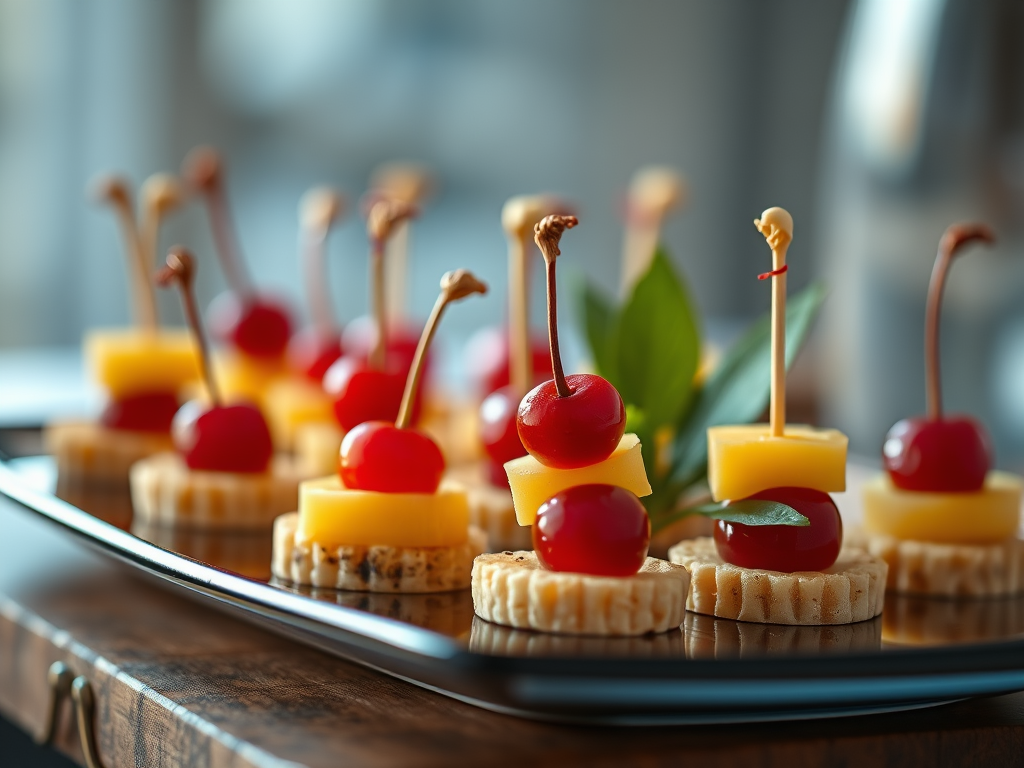
    If leadership were a meal, we often try to serve something exotic and heavy. While such meals do have their place in visioning sessions, strategy resets and annual gatherings, daily leadership is more like canapés. Small, thoughtfully assembled bites that are easy to absorb and pleasant to revisit.

    They do not overwhelm. They invite. That is how small leadership acts work. They nourish without exhausting.

    Recipe: Cheese, Pineapple & Cherry Canapés

    Since I cannot mention them without sharing the recipe, here it is – simple and timeless.

    All you need are cubes of firm cheese, fresh pineapple cut into small chunks, and glazed cherries. Take a toothpick. Skewer the pineapple first, then the cheese, and crown it with a cherry. Arrange them neatly on a plate and serve chilled.

    That’s it. No elaborate preparation. No complicated technique. Just balance. Intention. A little colour.

    A Gentle Reflection

    When I reflect on the teams I have led and worked with, I rarely remember the big presentations. I remember the laughter during those Friday sessions. and the quiet coffee conversations.

    So the question is not, “What grand leadership act will I perform this quarter?” The better question is, “What small, human act will I repeat consistently?”

    Because culture is not built in marathons. It is built in mindful mouthfuls. And often, the smallest acts leave the deepest imprint.
  • Executive Presence Is Not a Suit – It’s Paella.

    I once conducted a power dressing workshop for a group of accomplished women. They walked in expecting rules – colours, silhouettes, dos and don’ts. What they carried instead was something far heavier: uncertainty. Many of them were also quietly surprised when I walked in wearing a sari. I could sense the unspoken expectation. People assumed that a session on power dressing would be led by someone in a sharp suit. Instead, what they saw was me, comfortable, grounded, and fully myself.

    As the session unfolded, something became clear to me. The real struggle wasn’t about clothes. It was about permission. The permission to show up as themselves and still feel powerful. That day, power dressing quietly transformed into a deeper conversation about executive presence.

    Executive presence begins long before you speak

    Executive presence is often described in terms of polish. It is posture, articulation, attire. It is not only about how you look but also about gravitas, communication and impactful influence.

    In my experience, people don’t shift by adhering to inherited rules about professionalism. They shift when something feels right on the inside. You see it instantly in the way their shoulders drop, their voices settle, and their presence expands without effort.

    I remember one participant who kept adjusting her blazer, asking if the colour worked, if the fit was “correct.” I asked her to try wearing something she already felt confident in. The change was instant. She stopped fidgeting. She stood still. When she spoke next, the room listened, not because she looked different, but because she felt different.

    That was the point I wanted to convey: executive presence isn’t worn. It’s felt – and when it is, others feel it too.

    Presence, diversity, and the myth of the suit

    Over the years, especially in global or cross-cultural contexts, I’ve heard this belief repeatedly:

    “I need to wear a suit to be taken seriously. As though confidence arrives stitched into a blazer.

    But I’ve seen powerful executive presence in saris, in salwar kameez, in clothing that carries culture, comfort, and conviction. What made the difference was not conformity but it was ease with identity.

    One only has to look at Sudha Murthy. Whether she is speaking in international forums or engaging with grassroots communities, she shows up exactly as she is. She remains rooted. Her presence is understated and unmistakably authoritative. Her presence does not come from what she wears. It comes from the knowledge and values she carries. Her clarity when speaking also contributes significantly.

    Global does not mean Western. Professional does not mean uniform. Presence does not mean performance. True executive presence comes from being grounded, not disguised – and from a humility that doesn’t need to announce itself.

    What paella taught me about executive presence and diversity

    Food, as it often does, gave me the metaphor I was looking for.

    A good paella looks impressive, but its real strength lies beneath the surface. Seafood, chicken, rice, spices, each ingredient keeps its identity. Nothing tries to dominate. Nothing gets diluted. Just like the way executive presence works too – distinct elements coming together without losing themselves.

    Paella works because the base (the sofrito) is strong. Flavours are layered patiently. Diversity is respected rather than blended into sameness. That, for me, is executive presence. Not imitation. Not loudness. But integration. Presence emerges when confidence, competence, values, and culture coexist – without one canceling the other.

    Executive presence is cultural confidence

    When leaders feel they must look like someone else to lead effectively, something vital is lost. Presence begins to thin when authenticity is compromised, when energy is spent managing appearances instead of holding one’s ground. When we try to fit an external template of leadership, we drift further. We move away from the inner steadiness that makes presence believable.

    What truly brings out the best in you is not a suit, a style, or a borrowed version of professionalism. It is your confidence, your values, your cultural grounding – and, most importantly, your comfort with who you are. That comfort shows up in subtle ways. It is evident in how you listen and how you pause. It also shows in how you speak without rushing to prove a point.

    Presence isn’t about standing out. It’s about standing rooted.

    LeadershipSpice Recipe: Chicken & Seafood Paella

    Because leadership, like paella, works best when diversity is intentional

    Ingredients

    • 1½ cups short-grain rice (paella rice or arborio)
    • 4 cups warm chicken stock
    • 3 tbsp olive oil
    • 1 onion, finely chopped
    • 4 cloves garlic, minced
    • 1 large tomato, grated
    • 1 tsp smoked paprika
    • A pinch of saffron (optional but traditional)
    • 300 g chicken (thigh or breast), bite-sized
    • 200 g prawns, cleaned and deveined
    • ½ cup calamari rings or fish chunks (optional)
    • 1 cup bell peppers (mixed colours)
    • ½ cup green beans
    • Salt and pepper to taste
    • Fresh parsley or coriander for garnish
    • Lemon wedges for serving

    Method

    1. Heat olive oil in a wide, shallow pan. Season chicken lightly and sear until golden. Remove and set aside.
    2. In the same pan, add onion and garlic. Sauté gently until soft — this is the foundation, don’t rush it.
    3. Add grated tomato and smoked paprika. Cook slowly until the sofrito thickens and deepens in flavour.
    4. Stir in the rice, coating every grain evenly.
    5. Pour in warm stock, add saffron, salt, and pepper. Spread the rice evenly and do not stir again.
    6. Arrange chicken, seafood, and vegetables on top. Let the paella cook undisturbed until the rice absorbs the liquid.
    7. Add prawns towards the end so they stay tender.
    8. Switch off heat, cover, and let the paella rest for a few minutes. Garnish with herbs and lemon.

    A final reflection

    Paella doesn’t succeed by making everything taste the same. It succeeds by allowing difference to shine on a strong, steady base.

    Executive presence works the same way. Presence isn’t built by becoming someone else. You don’t need to erase your culture to belong. When confidence, values, and identity align, presence follows – quietly, unmistakably.

  • Leadership, Friendship, and Celebration: Layered like Khunafa

    I have just returned from an unforgettable 8-day journey through Egypt – a land where time slows down, history whispers from every stone, and human ambition has quite literally been carved into the earth. From the overwhelming presence of the Pyramids of Giza to the quiet, almost hushed atmosphere of the Valley of the Kings, Egypt has a way of making you pause and reflect.

    Any journey we undertake becomes truly meaningful and memorable not just because of the destination, but because of the company we keep along the way.

    I travelled with two friends I have known for over 40 years. Friendships of this length don’t need constant validation; they rest on shared history, deep trust, and an ease that comes from having seen each other through multiple phases of life. This journey carried an added significance as we were travelling to celebrate one friend turning sixty, a milestone that invited both joy and quiet reflection.

    And yet, when three people stay together in a completely different country for eight full days, navigating unfamiliar food, long travel hours, packed itineraries, and physical fatigue – differences inevitably surface.

    That’s where the leadership lessons quietly began . Influence, Clarity, and Evolution (the ICE of SPICE) started to show up in small, human moments.

    When History Isn’t Your First Love But People Are

    Let me begin with an honest confession. I am not someone who naturally gravitates toward history or museums. I don’t seek out timelines, dynasties, or detailed narratives of the past. My two friends, on the other hand, are deeply curious and love the context, symbolism, and stories that bring ancient places to life.

    For eight days, I played along . I walked through temples, tombs, and museums, listening attentively, asking questions, and staying present even when my natural inclination may have been otherwise.

    Somewhere along the way, clarity dawned. Experience has a way of teaching us, even when we don’t want the lesson. Leadership is not about personal preference. It is about collective experience. Just like in organisations, leaders often need to engage with areas that may not excite them personally. It could be processes, details, legacy systems, or stakeholder expectations. What matters is not enthusiasm, but respect.

    An Unexpected Test of Leadership: The Fall at the Pyramids

    Our leadership lessons did not remain philosophical for long.

    On Day 2 of the trip, effectively our first full day of sightseeing, I had a bad fall at the Pyramids of Giza and sprained my ankle badly. The pain was intense. Walking became difficult. And suddenly, our carefully planned itinerary was thrown off course.

    That evening, we were meant to do a much-awaited Nile cruise dinner which is one of those experiences you mentally bookmark long before the trip begins. It had to be cancelled.

    Of course, we were all disappointed, but not a hint of it showed on their faces. I was so touched by their response. There was no frustration or irritation or any subtle pressure to push through. Both of them were constantly checking on me to ensure my comfort and helping me with managing the pain. At the same time, they quietly took charge of the execution, putting backup plans in place so the rest of the trip could still move forward.

    This was a great demonstration of crisis management at its best – not dramatic, not heroic, just deeply human.

    By the next day, the pain and swelling had reduced. I could walk better, and we gently eased back into the itinerary with adjustments, patience, and flexibility. The trip continued not because the plan was rigid, but because the people were resilient.

    Leadership is revealed most clearly when plans fall apart.

    Three Friends. Three Leadership Styles.

    The entire experience of this trip revealed something beautiful – not only about our friendship but about leadership as well.

    Each of us brought a distinct style. We all demonstrated multiple styles during different situations. At various moments we were compassionate, go-getters and integrators. This balance of adjusting while speaking up prevented assumptions, guilt, or overcompensation. Eight days together could easily have led to friction. Instead, I think we evolved with our roles flexed, pace adjusted, and trust deepened. Leadership flowed so naturally in every situation, respectfully, and without any ego.

    The Pyramids: Leadership Built to Last

    Standing before the Pyramids of Giza is humbling. Photos do not prepare you for their scale or intention. These structures were not built for speed or short-term validation. They represent leadership designed to influence across generations, grounded in long-term clarity of purpose. They were built for endurance.

    They remind us that meaningful leadership rests on strong foundations, demands long term thinking and is never a solo effort. Standing before the pyramids, I felt the leader in me being quietly questioned: What am I building today that will still matter when I am no longer around to lead?

    The Valley of the Kings: Quiet Strength & Inner Work

    If the pyramids represent visible leadership, the Valley of the Kings represents the unseen.

    Hidden, introspective, and silent, it speaks of preparation, inner alignment, and the kind of clarity that enables leaders to evolve without losing themselves. It reminded me that not all leadership work is visible. Some of the most powerful leadership happens in quiet spaces, where clarity is honed, ego is softened, and decisions are anchored in purpose rather than pressure.

    Another important reminder it gave me was that reflection is as critical as action. Reflection helps create inner clarity. Without pausing to reflect, action can become reactive or misdirected. In the absence of inner clarity, even well-intentioned effort can scatter. When clarity is cultivated within, it sharpens judgment, anchors choices, and significantly amplifies outer impact.

    Friendship as the Ultimate Leadership Classroom

    Leadership is not learned only in boardrooms or classrooms and this journey reinforced this. Leadership is learned while navigating differences without ego, honouring strengths that are not your own, and choosing connection over control.

    Forty years of friendship doesn’t mean the absence of differences. It means the ability to evolve together, without eroding respect or connection. It means knowing how to hold them.

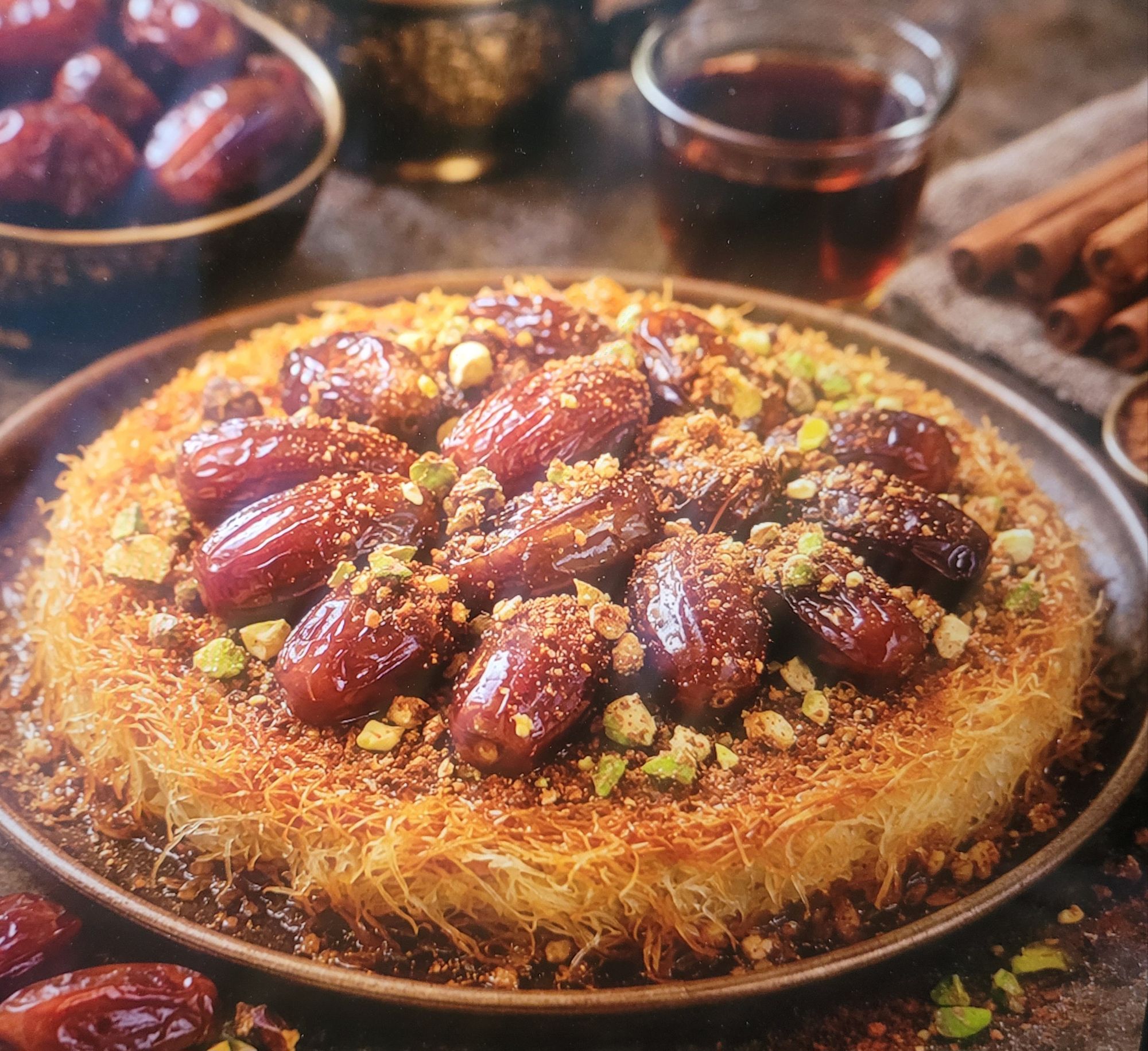
    Ending with Sweetness: Date & Cinnamon Khunafa

    Every Leadership Spice reflection ends where it began – with food.

    Because leadership, much like cooking, is about balance, timing, and heart.

    Date & Cinnamon Khunafa

    Ingredients:

    • 1 cup khunafa pastry (shredded)
    • 2 tbsp melted butter or ghee
    • ½ cup soft dates, chopped
    • ½ tsp cinnamon powder
    • ¼ cup sugar
    • ¼ cup water
    • Rose or orange blossom water (optional)

    Method:

    1. Toast khunafa lightly in butter or ghee until golden.
    2. Layer half in a pan, add dates mixed with cinnamon.
    3. Top with remaining khunafa and press gently.
    4. Cook on low heat until crisp on both sides.
    5. Pour warm syrup over hot khunafa.

    Sweet. Grounded. Comforting.

    Much like friendships that endure and leadership that lasts.

  • From Leftover Rice to Masala Rice: A Leadership Lesson on Resource Optimization

    Sundays are always when I want to have something special. My cook comes in the afternoon to take care of what needs to be made for lunch and dinner, so breakfast becomes my responsibility. Today being a Sunday, I was wondering what to make. I wanted something special, but at the same time didn’t want to spend too much time or effort in the kitchen.

    I opened the fridge and saw some leftover rice sitting there quietly. For a moment, I almost dismissed it. Leftover rice doesn’t exactly scream Sunday special. And yet, I paused.

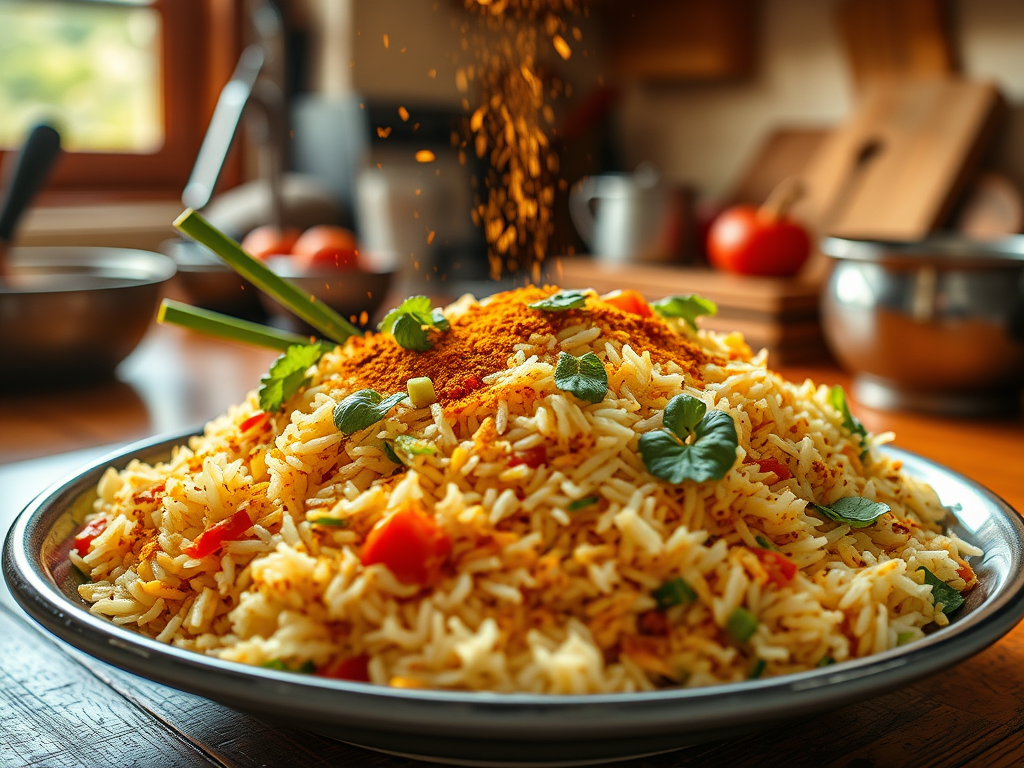
    With a few spices, some vegetables, and a bit of thought, that same leftover rice could turn into a really good masala rice, comforting, tasty, and satisfying. Nothing new had to be created. Nothing fancy had to be added. It just needed a different way of looking.

    As I started making it, I started connecting this to my leadership experience.

    What Resource Optimization Really Means

    In organisations, we often look for something new to solve our challenges. It could be new hires, new initiatives, new budgets. Meanwhile, existing people, skills, and processes sit quietly in the background, much like that leftover rice, underutilised and overlooked.

    Resource optimization isn’t about doing more with less at the cost of people. It’s about respecting what already exists and asking ourselves of how can we use this differently.

    This is precisely why building a strong leadership pipeline matters. When organisations invest in development through tools like Development Centres, coaching, and targeted stretch assignments -they stop seeing people as fixed and start seeing them as work in progress. Capabilities are identified early, potential is nurtured, and readiness is built over time.

    Good leaders don’t immediately reach outside. They first look inward – developing what they already have before searching for something new.

    Seeing Value Before Asking for More

    In the kitchen, you don’t cook fresh rice when perfectly good leftovers are already there. In leadership, however, we often rush to add resources before fully understanding the ones we have.

    Strong leaders pause to look for hidden strengths in their teams like cross-skilling opportunities, transferable capabilities, and experience that hasn’t been fully leveraged.

    I’ve often seen individuals labelled “average” suddenly flourish when a leader simply recognised and repositioned their strengths. The capability was always there – it just needed visibility. When leaders do this well, the impact is twofold: organisations save the significant cost of hiring and training new talent, and employees feel seen, valued, and more engaged. What was once overlooked becomes a source of both performance and commitment.

    Reframing Instead of Replacing

    Leftover rice isn’t eaten plain; it’s transformed. In the same way, leadership isn’t always about replacing people, processes, or structures. It is often about reframing them with intent. Before labelling something as outdated or ineffective, effective leaders step back to examine what can be simplified, what can be repurposed, and what can be combined. These deliberate, often understated shifts in thinking reduce complexity, improve execution, and create disproportionate business impact without adding new resources. Over time, it is precisely this kind of thoughtful leadership, where people feel valued, effort is respected, and capability is nurtured and that becomes one of the key factors in making organisations genuinely great places to work.

    The Same Resource, Different Outcome

    The same rice can become lemon rice, masala rice, or fried rice. The base remains unchanged; the outcome depends on the spices.

    In leadership, the “spices” are clarity, trust, psychological safety, and recognition. Many teams don’t underperform because they lack capability but they underperform because the conditions don’t allow them to thrive.

    Change the environment, and the outcome changes.

    Timing Matters

    Fresh rice doesn’t work for masala rice. In fact fresh rice will make the masala rice mushy. Cold rice works best.

    Leadership is similar. Not every person or idea is ready at the same time. Mature leaders understand readiness and timing. They know when to push, when to pause, and when to let something settle before taking it forward.

    Respecting What Has Gone Before

    Leftover rice represents yesterday’s effort. Someone planned it, cooked it, and stored it with care.

    In organisations too, dismissing past work, however imperfect it may be, can disengage people quickly. Good leaders acknowledge what has gone before, build on it, and involve others in making it better.

    The Recipe (Because This Is Leadership Spice)

    Heat some oil.
    Add mustard seeds, onions, tomatoes, peanuts, urad dal & curry leaves.
    Throw in whatever vegetables or leftovers you have.
    Add salt, asafoetida & turmeric
    Toss in the leftover cold rice.
    Finish with lemon and coriander.

    Nothing wasted.
    Nothing extra.
    Everything intentional.

    The Leadership Takeaway

    Leadership isn’t always about starting fresh.
    Often, it’s about seeing things differently.

    Before asking for more people, more money, or more time, pause and look at what you already have. With the right intent and a few thoughtful “spices,” even leftovers can turn into something special.

    Just like masala rice,
    the magic isn’t in the rice – it’s in how thoughtfully you choose to use it.

  • A Sweet Start: New Year, Leadership, and the Rasgulla Effect

    Happy New Year to all of you! I hope this year brings you joy, growth, and moments of deep reflection. My new year began in a way that’s very meaningful to me and that’s my Buddhism meeting, on January 2nd, coinciding with Daisaku Ikeda’s birthday. It’s a day when we renew our determination for practice, reflect on the past year, and set our intentions for the year ahead.

    Being in that space, surrounded by others committed to growth and transformation, got me thinking about change and how it challenges us, reshapes us, and opens doors we didn’t even know existed.

    Daisaku Ikeda said, “Human beings aren’t defeated by adversity. They are defeated by themselves – by giving up and abandoning their own convictions.”

    This quote has guided me through my personal transformation. Over the years, chanting, study, and active engagement in my community have shown me that true change begins within. I have noticed shifts in how I respond to challenges, relate to people, and lead initiatives. Some changes were subtle, almost invisible at first, while others were more dramatic. What I have learned is that change is both deeply personal and profoundly gradual.

    The Challenge of New Year Resolutions

    All of us are familiar with the tradition of New Year resolutions that we make each year and how most of us fail or give up. We promise ourselves we will exercise more, eat better, be calmer, delegate more, or think more strategically. And yet, despite the best intentions, these resolutions often fade within weeks. This isn’t about lacking willpower; it’s about the unseen forces within us that resist change, the forces that can make us give up and abandon our own convictions, just as Daisaku Ikeda reminds us. A few years ago, I read Immunity to Change by Robert Kegan and Lisa Lahey, which remains one of my favorite books as it helped me understand these hidden forces even more deeply and why real change often feels so difficult.

    Introducing Immunity to Change

    Immunity to Change, a concept developed by Robert Kegan and Lisa Lahey, is so relevant. It offers a profound lens to understand why real change often feels so difficult. The book introduces the concept of the Immunity Map, which helps uncover the hidden commitments and deep-seated assumptions that drive our behaviors. It shows that beneath every counterproductive action lies a competing commitment which is a belief or fear we may not even be aware of, and behind that, big assumptions about ourselves, others, or the world that make these commitments feel necessary. By making these invisible forces visible, we begin to understand why change is so challenging and how we unconsciously sabotage our own efforts. This insight transforms change from a frustrating struggle into a deliberate process, allowing us to experiment with new ways of thinking and acting that gradually weaken the “immune system” guarding old patterns, and open the door to meaningful and lasting transformation.

    This happens to align very closely with how I approach leadership through my SPICE™ framework – Self-awareness, Presence, Influence, Clarity, and Evolution. According to me, change is not just a single action, but an integration of insight, behaviour, and mindset. Often, what feels like resistance is actually a protective mechanism, an internal immune system safeguarding old habits or beliefs that once served us.

    Personal Coaching Insights

    In my coaching and personal reflection, I’ve seen this firsthand. A young leader once received feedback that she was very autocratic. As we explored this together, we uncovered a deeper fear: as a woman in a leadership role, she worried that if she didn’t assert control, she might be taken advantage of. Her autocratic style was, in essence, a protective mechanism. Once she recognized this inner assumption and fear, she was able to consciously shift her approach. Over time, she became more inclusive and collaborative, and the feedback she received changed accordingly.

    The Immunity Map and SPICE™ Framework

    The Immunity Map makes these hidden dynamics visible. It identifies improvement goals, behaviours that undermine them, hidden competing commitments, and the deep assumptions behind them. Once surfaced, leaders can test assumptions, adjust behaviours, and allow authentic change to emerge. In SPICE™ language, this journey begins with Self-awareness, noticing what drives us; flows into Presence, staying with discomfort; moves into Influence, reshaping impact without force; deepens with Clarity, seeing what truly matters; and unfolds as Evolution, a continuous process of becoming.

    Real Change as a Heat Experience

    Real change is a heat experience, as Kegan and Lahey describe in their book. Just as raw ingredients transform through cooking, intentions and habits transform when we allow time, reflection, and careful effort. Trying to force change too quickly often leads to burn-out or retreat. True transformation happens slowly, as insight, awareness, and action integrate.

    The Transformational Recipe: Rasgulla – From Raw to Remarkable

    Think of making rasgulla, the classic Indian dessert. In its raw form, chenna (curdled milk solids) is soft, crumbly, and bland. It feels incomplete, unformed, and almost unpalatable. As you gently shape the chenna into balls and boil them in sugar syrup, something magical happens. The heat causes the balls to expand, absorb sweetness, and become spongy. With patience and careful attention, the raw, separate elements transform into soft, juicy rasgullas, rich with flavor and unrecognizable from their starting form.

    Change in leadership works the same way. Raw intentions, our resolutions, habits, or growth goals – may feel awkward, uncomfortable, or incomplete at first. When we allow the slow heat of self-reflection, mindful practice, and consistent effort, these intentions absorb the sweetness of insight and expand into meaningful, sustainable change.

    The SPICE™ process guides the transformation: self-awareness lets us recognize what truly matters, presence keeps us engaged and grounded in each moment, influence shapes how our growth affects others, clarity helps us refine our actions, and evolution marks the emergence of meaningful, sustainable change.

    Like a rasgulla that swells and absorbs syrup over time, leadership intentions need patience and gentle care before they reach their full flavor and form.

    Stepwise Rasgulla Recipe – From Raw to Remarkable

    Ingredients:

    • 1 liter full-fat milk
    • 2 tablespoons lemon juice or vinegar
    • 1 cup sugar
    • 4 cups water
    • 1 teaspoon rose water (optional)

    Step 1: Making the Chenna (Curdled Milk)
    Bring the milk to a gentle boil. Reduce heat and add lemon juice slowly, stirring gently until the milk separates into curds (chenna) and whey. Turn off the heat. Just as the milk separates, your raw intentions begin to take form. This is the stage of self-awareness – noticing your goals, desires, and fears, even if they feel separate or unfinished.


    Step 2: Draining and Kneading
    Strain the curds through a muslin cloth and rinse with cold water to remove any lemon taste. Squeeze out excess water and knead the chenna until smooth and soft. This may take 8–10 minutes.
    Kneading the chenna mirrors the work of presence – being fully attentive to your thoughts, habits, and patterns. Each fold and press refines your intentions, smoothing out resistance and shaping them with mindful effort.

    Step 3: Shaping the Balls
    Divide the kneaded chenna into small portions and roll them into smooth balls without cracks.
    This is clarity – the stage where ideas and intentions take visible form. Each ball represents a goal or habit you are consciously committing to – distinct, tangible, and ready to be nurtured.

    Step 4: Preparing the Sugar Syrup
    In a deep pan, combine water and sugar. Bring to a boil and let the syrup simmer for 5 minutes. Add rose water if using. Just as the chenna absorbs the syrup, our intentions are shaped by the influence around us – mentors, peers, experiences, and guidance that add depth, resilience, and sweetness to what we are becoming.

    Step 5: Cooking the Rasgullas
    Gently drop the chenna balls into the boiling sugar syrup. Cover and simmer for 15–20 minutes. The balls will expand as they absorb the syrup and transform completely. Heat and consistent effort bring transformation. This is evolution. Challenges, reflection, and sustained practice expand your abilities, just like the chenna balls absorb sweetness.

    Serve this chilled and enjoy!!

    This year, instead of a long list of resolutions, I invite you to pick one meaningful change and explore the immunity that surrounds it. Honour what your old habits have protected, experiment gently, and observe the transformation. Just as chenna becomes delicious rasgulla through patient cooking, your intentions can become real, lasting change through awareness, patience, and persistence.

  • What a Christmas Cake Taught Me About Leadership

    Wow, Christmas is here!! For me, this festive season is all about joy and cheer, decorations and Christmas cake. For years, I watched Christmas cakes being made long before Christmas arrived.

    The Christmas cake mixing ceremony marks the beginning of the festive season and is rooted in tradition, togetherness, and shared intention. Families, friends, or colleagues come together to mix dried fruits, spices, and spirits, with each person taking a turn to stir the mixture, often while making a wish. More than a culinary ritual, it symbolizes collaboration, patience, and the belief that when many hands and hearts contribute, the final outcome is richer and more meaningful. The fruits are soaked quietly and kept aside. The mixing is slow and deliberate. The baking takes hours, not minutes. And even after the cake is done, it is fed patiently, week after week.

    A few months back, I witnessed this ceremony. As I watched the bowl being passed around, it struck me how closely this ritual mirrors leadership in action. A great outcome is rarely the result of one person’s effort – it comes from shared ownership, diverse contributions, and the patience to let things mature over time. Just like the Christmas cake, leadership outcomes deepen in value when people are invited to participate, intentions are clear, and we trust the process rather than rush the result. Not in the spotlight. Not in grand moments. But in what is done early, consistently, and with care.

    Great leadership, like soaked fruit, needs time to mature before it can truly enrich

    The most important step in a Christmas cake happens when no one is thinking about celebration. Fruits are soaked months or at times a year in advance. Alcohol slowly penetrates each piece, softening it, deepening it, changing it from within.

    Skip this step, and no amount of decoration can save the cake.

    This is where leadership truly begins.

    I’ve seen leaders who want engagement without trust, performance without preparation, results without relationships. Everything looks fine on the outside, but it doesn’t stay with people. Great leaders understand that impact is created quietly, long before it’s visible. They soak their teams in clarity, belief, and opportunity, so when the moment comes, the flavour is unmistakable.

    I once worked with a business head who was widely admired during stable times. Articulate. Decisive. Confident. But when the organisation went through a sudden restructuring, something changed. Trust eroded quickly. People became cautious. Conversations shut down.

    What became visible was not the crisis but the lack of prior investment. Feedback had been transactional. Relationships were conditional. Culture had never been soaked.

    In contrast, another leader I worked with barely spoke in townhalls, but had spent years having quiet, honest conversations even when they were uncomfortable. When pressure hit, the team stood together instinctively.

    These are the soaked fruits of leadership. When pressure comes, leaders don’t rise to the occasion. They fall back on what they prepared.

    Mixing the Flour: Structure Without Suffocation

    Flour gives the cake its body. Too little can make it runny and too much makes it heavy and flat. Not only the quantity but equally important is the way it is mixed as overmixing ruins the texture.

    This reminds me of some the leaders I have seen struggling. They demand results the way some people cook in a hurry, constant stirring, constant checking, constant pressure. They turn up the flame and hope for the best. Everything is tightly controlled. Instructions are clear. Effort is visible. Yet something essential is missing. The team complies, but they don’t rise.

    Great leaders understand what good bakers know: structure is necessary, but interference is costly. Once the ingredients are aligned, you mix just enough – and then you stop. You allow space for the batter to settle, for air to do its work.

    Some leaders mistake freedom for the absence of structure. Others believe control guarantees results. Both miss the point. Strong leadership provides clarity, boundaries, and priorities so people feel secure. Then it eases its grip, trusting capability to take form.

    The best leaders don’t keep stirring. They know when to step back. They let the work rise. They trust the mix.

    The Spices: Small Behaviours That Define the Flavour

    No single spice defines a Christmas cake. It is the balance of cinnamon, cloves, nutmeg, ginger. Each subtle, each essential.

    Leadership works the same way.

    Over years of assessing and debriefing leaders, I have noticed a pattern. It is rarely the strategy that damages trust. It is the tone, the timing and, believe it or not – the silence. A raised eyebrow. A hurried response to a genuine concern.

    Leadership flavour is created in small moments:

    • How a leader listens when someone hesitates
    • Whether feedback carries curiosity or judgement
    • How mistakes are handled publicly and privately
    • Who is acknowledged when outcomes are positive

    One overpowering behaviour like control, impatience or ego, can dominate everything else.

    People may forget what you said in a townhall. They never forget how you showed up when it mattered.

    Baking Time: Why Leadership Cannot Be Rushed

    A Christmas cake is baked slowly, at low heat. Increase the temperature and it may look done on the outside, but it remains raw inside.

    Leadership development follows the same law.

    I have seen organisations demand “ready-now leaders” without allowing people the time to learn, fail, reflect, and grow. The result is leadership that looks confident, but cracks under pressure.

    Depth takes time. There is no shortcut. Urgency may deliver speed. Patience delivers substance.

    Feeding the Cake: Leadership Is Never ‘Done’

    Even after baking, the cake needs attention. Small amounts of alcohol are added periodically to keep it moist and deepen flavour.

    Leadership relationships are no different.

    Trust fades without regular nourishment. The check-ins, appreciation, honest conversations, and presence. One-off initiatives don’t sustain engagement. Ongoing care does.

    Leaders who stop feeding the cake wonder later why their teams feel dry and disengaged.

    The Tradition Behind the Christmas Cake

    The Christmas cake began as a humble porridge meant to nourish through winter. Over centuries, it evolved into a rich cake made collectively. It was about families gathering, recipes passed down, patience honoured.

    At its heart, the tradition was never about indulgence. It was about continuity.

    Leadership, too, is an act of continuity. We inherit cultures, systems, and people – and leave them shaped by how we led.

    A Classic Christmas Cake Recipe

    Ingredients

    • 500 g mixed dried fruits (raisins, currants, sultanas)
    • 100 g mixed peel
    • 100 g glace cherries (chopped)
    • 120 ml rum or brandy
    • 250 g unsalted butter (softened)
    • 250 g brown sugar
    • 4 eggs
    • 250 g all-purpose flour
    • 1 tsp baking powder
    • 1 tsp cinnamon powder
    • ½ tsp nutmeg
    • pinch of grated ginger or ginger powder
    • ½ tsp clove powder
    • Zest of 1 orange
    • 1 tsp vanilla extract

    Method

    1. Soak fruits with alcohol at least a few months in advance.
    2. Cream butter and sugar until light.
    3. Add eggs one at a time.
    4. Fold in sifted flour, baking powder, and spices gently.
    5. Add soaked fruits, zest, and vanilla.
    6. Bake at 150°C for 2.5–3 hours.
    7. Cool and feed weekly if desired.

    Closing Reflection

    Though a Christmas cake is shared during celebration, it is shaped in solitude, patience, and care.

    Leadership is no different. It is built when no one is clapping. When decisions are inconvenient. When consistency matters more than charisma.

    So as you cut into a Christmas cake this season, pause for a moment and ask yourself:

    • What have I been soaking quietly this year?
    • Which spices do people associate with my leadership?
    • And what will remain when the heat is turned up?

    Because long after the decorations are gone, both cakes and leaders are remembered for one thing alone: Depth.

  • The Pinch of Salt: From Gajar ka Halwa to Leadership

    I’m back from Doha, one of my favourite cities. I love its modern, contemporary energy, but this time my joy had a far deeper reason. My two-year-old granddaughter, Azariah, lives there.

    Now that she’s talking in full sentences (and opinions), our time together felt different this visit. Every evening ended the same way: her climbing into my lap and demanding, “Daadi, story.”

    And so, story after story flowed. Some invented on the spot, some remembered, some reshaped with every telling. In the process, I found myself slipping back into my own childhood when stories weren’t just entertainment, but quiet carriers of values. As I narrated many of the stories I had grown up hearing – some with animals, others with princesses, I was drawn back to one from my own childhood: the story of a king and his three daughters.

    Halfway through, I realised something. This wasn’t just a bedtime story. It was a quiet reminder that leadership, like food, draws its flavour from essentials we rarely talk about – salt being one of them.

    The King and the three daughters

    As many of you might know, the story goes like this: a king asked his three daughters how much they loved him. The first two daughters gave grand answers, comparing their love to the world and the universe. The youngest daughter, however, who was the king’s favorite, said something unusual and unexpected – she told him she loved him as much as salt.

    The king was enraged and shocked. How could anyone love him as much as salt? In his frustration, he banished her. After a few years, she invited him for a lavish meal but instructed the cooks not to add any salt to the food. As he tasted the food, the blandness struck him and he realized the depth of her words at that time. He asked for her forgiveness and all’s well that ends well.

    The Salt of Leadership

    How often do we confuse eloquence with depth? How often do we reward what sounds impressive rather than what is true?

    In leadership, we are frequently drawn to the visible spices – the big gestures, the confident articulation, the impressive strategies. They matter, of course. But without salt, even the most elaborate dish loses its essence. Salt is foundational. It enhances everything else. It brings out flavour rather than masking it. And yet, when it is right, it is barely noticed.

    Leadership has its own salt. It is truth spoken simply. It is self-awareness that grounds decisions. It is integrity that doesn’t need announcing. It is presence that steadies others, especially in uncertainty. Without these, leadership may look impressive, but it lacks substance. Teams feel it immediately. Something feels off. Flat. Unseasoned.

    Over the years, working with leaders across industries, I’ve seen this repeatedly. The leaders who create trust and followership are rarely the loudest in the room. They are the ones whose words align with actions. Who listen as deeply as they speak. Who don’t over-season their leadership with theatrics. That evening in Doha, sitting with a two-year-old who cared little for dramatic endings but a lot for authenticity, I was reminded of this simple truth: Leadership doesn’t need more complexity. It needs the right seasoning.

    In the Leadership Spice framework, salt represents the essentials. Self-awareness, truth, courage, and clarity. The quiet ingredients that don’t draw attention to themselves, yet transform everything they touch. Just like in food, when leadership is missing its salt, no amount of garnish can save it. And perhaps that’s why stories return to us at unexpected moments and remind us of what truly matters.

    What Salt Looks Like in Leadership

    In leadership, salt often shows up in moments that are uncomfortable and unpopular. It is the tough call that not everyone agrees with, but which protects the long-term health of the organisation. It is speaking up in sensitive situations, calling out behaviours that are misaligned with values, even when silence would be easier. It is choosing fairness over favour, truth over convenience, and clarity over temporary harmony.

    These actions rarely win applause in the moment. In fact, leaders who bring this kind of salt are often described as difficult, too direct, or not very likeable. Yet, over time, they are remembered as dependable, credible, and deeply respected.

    Think of leaders who are not universally liked because they refuse to dilute the truth. They are leaders who take principled stands, make unpopular decisions, or hold the line when pressure mounts. They may not be warm or charismatic, but they create organisations that endure, cultures that are clear, and teams that trust the ground they stand on.

    Salt in leadership is not about being harsh. It is about being honest. Used well, it doesn’t overpower but brings balance.

    A Lesson from the Kitchen: Gajar ka Halwa

    There’s a reason I often think about leadership through food. And perhaps it’s no coincidence that gajar ka halwa comes to mind now, because this is exactly the season for it. Slow-cooked carrots, milk, ghee, sugar, cardamom, nuts – each ingredient matters. But there is one addition that surprises people when they hear it for the first time.

    A small pinch of salt.

    Not enough to be tasted on its own. Just enough to sharpen the sweetness, deepen the richness, and bring all the flavours together.

    Without it, the halwa is still good, but something feels missing.

    Gajar ka Halwa (Serves 4–6)

    Ingredients

    • 1 kg red carrots, grated
    • 1 litre full-cream milk
    • 4–5 tbsp ghee
    • ¾ cup sugar (adjust to taste)
    • ½ tsp cardamom powder
    • A handful of cashews and raisins
    • A small pinch of salt

    Method

    1. Heat 3 tbsp ghee in a heavy-bottomed pan. Add grated carrots and sauté for 5–7 minutes until aromatic.
    2. Add milk and cook on medium heat, stirring occasionally, until the milk reduces and the mixture thickens.
    3. Add sugar and continue cooking until the halwa comes together and leaves the sides of the pan.
    4. Stir in cardamom powder and the remaining ghee.
    5. Add cashews and raisins, lightly roasted.
    6. Finally, add a small pinch of salt, mix well, and turn off the heat.

    Serve it hot or cold – preferably hot, with a scoop of Vanilla Ice cream.

    Leadership Spice Reflection

    Just like in the halwa, the salt will not announce itself, but you will taste the difference. Leadership works the same way.

    You can have vision, strategy, empathy, and influence. But without the salt – truth, courage, and moral clarity, the leadership lacks depth.

    The question worth asking is not whether you will add salt to your leadership, but when it will matter most.

  • Rising Like a Soufflé: A Woman’s Journey Through Career and Life

    When I look back at my career, I often think of the innumberable stories and what stands out is not the promotions or the achievements, it’s the journey itself: every challenge, every choice, every small victory, and every moment I doubted myself and yet kept showing up.

    Young Mother, Big Dreams and a Tough Start

    Though I was already working before I got married, my challenges in my career started as a young mother with a 6-month-old baby. My first job was with the hospitality industry. The guilt of leaving a kid at home weighed heavily on me. There were so many instances when I just wanted to quit. Every morning, I hesitated wondering if I was doing the right thing, but my mother’s voice kept me going:
    “Don’t give in to emotions. Be strong. You are not just building your career but you are shaping your children’s future as well.”

    There were no professional nannies, no extended family support. It was just my husband and me, navigating a world that seemed designed to test us. Domestic help had to be trained, routines had to be established, and endless patience became my constant companion.

    Some days, I went to work with tears hidden behind a smile. Some days, I returned home exhausted. Hospitality was demanding – long hours, rotational shifts, constant pressure but yet I excelled. My work was recognized, and I earned promotions. I learned that perseverance pays, and that leadership begins with showing up, even when it’s hard.

    Second Child, Early Return, and Flexibility

    When my second child arrived, I faced a new set of challenges. Pregnancy and work were demanding. My boss requested, though it was not mandatory, that I return early. He offered flexibility, allowing me several visits to go home during the day as I lived close to the hotel so that I could attend to my newborn. It was a very tough decision for me. I discussed with my husband and we both took charge of managing the kids, household responsibilities, and professional commitments. Those early days taught me resilience, time management, and the art of prioritizing without guilt. I realized that leadership is not just about managing others. It’s about managing yourself under pressure.

    Making Career Choices: Mobility vs. Children’s Education

    A big promotion later required relocation to another city. I stood at a pivotal juncture, knowing that every choice mattered. On one hand, career growth beckoned; on the other, my children’s education and stability were at stake. I chose the latter. Leaving my hospitality career was not easy, but I knew it was the right choice for my family and for my values.

    This was my first lesson in leadership: courage is not only about saying yes. At times, it’s about saying no and staying true to your priorities.

    Retail: Navigating Family Politics

    In my next role in retail, I stepped into a family-owned business. Politics, conflicting opinions, and interference from multiple family members were daily challenges.

    Objectivity and tact became my tools. I listened more than I spoke, assessed situations carefully, and remained consistent in my actions. Slowly, I earned the trust of the Managing Director. Over time, my decisions were respected, even above those of family members.

    It was here that I learned another leadership truth: trust and credibility are built through consistency, fairness, and patience.

    Banking BPO: Breaking Barriers

    Moving into banking BPO brought a new kind of challenge. I inherited a role from a man who refused to give a proper handover. I could have complained, resisted, or waited for someone else to fix it. But I chose to take responsibility.

    I networked with my subordinates, learned from their experiences, and slowly pieced together the gaps. Day by day, I built credibility and established myself as a reliable leader. I eventually took on the role of VP – Learning & Development, marking a shift in the organization’s approach to leadership appointments.

    Again, in this role, balancing work and home remained challenging. I guided my sons, shared responsibilities with my husband, and navigated office politics. This was a constant reminder that leadership requires not only professional skill but also emotional resilience.

    Consulting and Freelancing: Bold Choices

    After years of climbing the corporate ladder, I made the bold decision to quit and start my own consultancy. Consulting was not easy. I was alone, building teams, managing clients, and establishing credibility without the safety net of a corporate structure.

    It was a time that tested perseverance like never before. I had to be disciplined, resourceful, and patient. My children, now choosing their higher education paths and careers, moved cities. I grew as a leader, a mother, and an individual.

    Today, I thrive as a freelance OD consultant, a grandmother, a mentor, a mother-in-law, a wife, and a woman who never shrank from her dreams.

    Leadership Lessons from My Journey

    1. Show Up Every Day – Even when the path is hard or uncertain.
    2. Build Trust Through Consistency – Leadership is credibility in action.
    3. Balance Courage with Care – Career decisions must reflect both ambition and values.
    4. Persevere Through Politics and Pressure – Every organization has challenges; how you navigate them defines your growth.
    5. Celebrate Small Wins – Recognition, mentorship, and small victories fuel resilience.

    Leadership Recipe: Lemon Soufflé

    Life, like a soufflé, is delicate, layered, and requires precision, patience, and care – yet it rises beautifully when handled with skill.

    Servings: 4
    Prep time: 20 min
    Cook time: 20–25 min

    Ingredients

    • 2 tablespoons unsalted butter (plus extra for greasing ramekins)
    • 2 tablespoons granulated sugar (for coating ramekins)
    • 3 large eggs, separated
    • 1/2 cup granulated sugar
    • 1/2 cup whole milk
    • 1 tablespoon all-purpose flour
    • 1 tablespoon cornstarch
    • Zest of 1 lemon
    • 1/4 cup fresh lemon juice (about 1–2 lemons)
    • Pinch of salt
    • Powdered sugar for dusting

    Method

    Step 1: Prepare Ramekins

    • Preheat oven to 375°F (190°C).
    • Butter 4 ramekins and coat inside with 1–2 teaspoons granulated sugar, shaking out the excess.
    • Place ramekins on a baking tray.

    Step 2: Make the Lemon Base

    • In a small saucepan, heat milk over medium heat until warm (not boiling).
    • In a separate bowl, whisk egg yolks, 1/2 cup sugar, flour, cornstarch, lemon zest, and lemon juice until smooth.
    • Gradually pour warm milk into the egg yolk mixture, whisking constantly.
    • Return mixture to the pan and cook over medium-low heat, stirring continuously until it thickens into a smooth custard.
    • Remove from heat and let it cool slightly.

    Step 3: Beat Egg White

    • In a clean bowl, add a pinch of salt to the egg whites.
    • Beat with a hand mixer or stand mixer until soft peaks form.
    • Gradually add a teaspoon of sugar at a time, continuing to beat until stiff, glossy peaks form.

    Step 4: Fold Whites into Lemon Custard

    • Gently fold 1/3 of the egg whites into the lemon custard to lighten it.
    • Fold in the remaining whites carefully in two additions, maintaining as much air as possible.
    • Be gentle – do not overmix.

    Step 5: Fill Ramekins & Bake

    • Spoon the soufflé mixture into the prepared ramekins, filling almost to the top.
    • Smooth tops lightly with a spatula.
    • Bake in the preheated oven for 20–25 minutes, until soufflés have risen and tops are golden.
    • Do not open the oven door while baking, or the soufflé may collapse.

    Step 6: Serve Immediately

    • Dust lightly with powdered sugar.
    • Serve straight from the oven – delicate, airy, and bursting with lemon flavor.

    Tips for a Perfect Lemon Soufflé

    1. Ensure egg whites are at room temperature for better volume.
    2. Use a clean, grease-free bowl for whipping whites.
    3. Fold gently to keep the soufflé airy.
    4. Serve immediately – soufflés start to deflate as they cool.

    To every woman reading this:

    You don’t need to be fearless, just resilient.
    You don’t need to be perfect, just persistent.
    Your journey, ambition, courage, and care are layers in the life you are building.

    Show up. Keep pushing. Keep rising.
    Your soufflé of resilience will be unforgettable.

  • Heat, Patience, and Trust – Leadership Wisdom from Goan Fish Curry

    I was making goan fish curry the other day – one of my favorites. It’s a very simple recipe, yet a bit tricky. The gravy started thickening slowly, the aroma of curry leaves, garlic, and ground spices filling the kitchen. The curry was looking rich with the color of turmeric and the tang of kokum. It looked ready, but I paused. Should I add the fish now? Because if I add the fish too early, it’ll break.
    And if I let it wait too long, it won’t soak in the flavor.

    That one decision of when to add the fish, decides everything.

    The perfect Goan curry isn’t just about the ingredients. It’s about timing, temperature, and trust. The ability to sense when the base is ready, when the heat should lower, when to leave things untouched, and when to simply wait.

    The Leadership Parallel

    It reminded me that Leadership, like a well-made Goan fish curry, is a dance between action and restraint.

    For example, giving feedback is never easy, especially when it is developmental or sensitive. Over the years, I’ve realized that the timing makes the difference between feedback that transforms and feedback that tears down. I’ve learned it the hard way – through trial, reflection, and a few burns in the process.

    There have been quite a few occasions when I had to give feedback to underperformers who were already demotivated and defensive. I could have delivered it straight and finished it, but I believe it’s important to first spend a little time understanding their fears and triggers. That said, the feedback must be given promptly, allowing just enough time for the “gravy” to settle before adding the “fish,” so it lands softly without being delayed too long. This approach has worked well for me and for the receivers, helping the feedback land constructively and without defensiveness.

    We often assume high performers don’t need feedback and if they do, then giving feedback to them is easy – after all, they’re results-oriented and usually receptive. But even the best ingredients can be ruined if the timing is off. Just like in a fish curry, where even the freshest fish and spices will not absorb the flavors if left out too long or added too early, feedback needs the right moment. I faced this with a brilliant team member whose results were stellar but whose arrogance was slowly alienating the team. The temptation was to avoid the tough conversation for fear of demotivating them. I waited for the right moment and when the trust was high, I spoke honestly about attitude. It wasn’t easy, but it worked. The team noticed the shift. So did the individual.

    Sensing Readiness – Up, Down, and Across

    For me, giving feedback has never been only downward. Many a times, I had to do that upward as well. And for both, timing and pre preparation is critical. I remember two very distinct moments with senior leaders. One would routinely arrive late to meetings, keeping the team waiting. Another would stay glued to their laptop or mobile during appraisal discussions. I could have quietly accepted this, as they were my bosses and most of us would have, but I chose a different approach.

    For the late-coming, I let it slide a couple of times. It was like allowing a new spice to mingle in the pot before deciding if the flavor works. And then I decided to address the habit of arriving late with a light touch: “In our workshops, lateness comes with chocolate duties. Consider this your friendly reminder to bring the premium ones if you’re late again!” Delivered with humor, the message was clear and well-received, and punctuality and communication improved tremendously.

    For the “glued-to-device” boss, in the midst of a meeting, I paused once and said, respectfully but firmly, “I’ll continue when you can give this conversation your full attention as it matters to me.” Uncomfortable, but honest. By not gossiping or complaining about this to anyone, I not only earned their respect, but that person also made sure the behavior didn’t happen again – not just with me, but with anyone else.

    Much like preparing a Goan fish curry, leadership requires timing, tact, and the right balance. You don’t dump all the spices in at once; you let flavors develop, adjust, and then serve at the right temperature. Addressing sensitive issues works the same way: a little patience, the right seasoning of humor and honesty, and the result is a team that respects both the process and the person leading it.

    Balancing Friendship and Leadership

    Timing isn’t just about feedback or heat; it’s also about relationships. Over the years, I’ve learned how crucial it is to balance friendship with accountability. I’ve had bosses who were also good friends and they taught me that closeness can coexist with high expectations, but only if boundaries are clear.

    I apply the same principle with my own teams. I cultivate trust, camaraderie, and warmth. At the same time, I make it crystal clear that friendship does not mean leniency. Expectations, performance, and accountability still come first.

    Sometimes, people test that boundary, perhaps unintentionally. When it happens, timing is key. That’s the time to give instant, clear feedback: not in anger, but in a way that re-establishes the boundary and manages expectations. By addressing it immediately, both the relationship and the results are preserved.

    This balance of knowing when to be approachable and when to be firm, is like adding the fish at just the right moment in a Goan curry: too early or too late, and it could break. Handled with care and timing, it strengthens the dish – and the team.

    Respecting Fragility and Building Trust

    Fish is delicate. Handle it too much, and it falls apart.

    So are people.

    True leadership lies not in stirring constantly, but in creating safety – so that even in the heat, people hold their shape. A team thrives not because of constant direction, but because of trust and the quiet confidence that their leader knows when to step back.

    Once you add the fish, you don’t stir. You let it rest, letting the flavors blend and settle.
    Leaders, too, must resist the urge to “keep checking.” Let trust do its work.

    Goan Fish Curry Recipe

    Serves: 4 | Prep Time: 15 mins | Cook Time: 20 mins

    Ingredients:

    • 500g firm white fish (like kingfish, pomfret, or seer) – cut into chunks
    • 2 tbsp coconut oil
    • 1 large onion, finely chopped
    • 1 tsp mustard seeds
    • 2-3 curry leaves
    • 2 cloves garlic, minced
    • 1-inch ginger, minced
    • 2 green chilies, slit
    • 1 tsp turmeric powder
    • 1 tbsp red chili powder (adjust to taste)
    • 2 tsp coriander powder
    • 1 cup coconut milk (thick)
    • 1 cup water
    • 1 tbsp tamarind paste or 3-4 kokum petals
    • Salt to taste
    • Fresh coriander leaves for garnish

    Method:

    1. Prep the Fish:
      • Rinse and pat dry the fish pieces.
      • Lightly marinate with a pinch of turmeric and salt. Set aside.
    2. Heat the Base:
      • In a deep pan, heat coconut oil over medium heat.
      • Add mustard seeds; when they splutter, add curry leaves and sauté briefly.
      • Add onions and sauté until golden brown.
    3. Build the Curry:
      • Add garlic, ginger, and green chilies. Cook until aromatic.
      • Stir in turmeric, chili powder, and coriander powder. Cook for 30-60 seconds.
    4. Add Liquids:
      • Pour in coconut milk and water. Mix well.
      • Add tamarind paste or kokum, and salt. Simmer for 5-7 minutes.
    5. The Critical Moment: Adding the Fish:
      • Lower the heat to medium-low.
      • Gently slide in the fish pieces – do not stir aggressively.
      • Cover and cook for 7-10 minutes, until the fish is just cooked and holds its shape. Timing is crucial – overcooking will make the fish break, undercooking will leave it raw.
    6. Finish:
      • Taste and adjust salt or tamarind.
      • Garnish with fresh coriander leaves. Serve hot with steamed rice.

    The Quiet Mastery of Timing

    The best leaders, like the best chefs, don’t chase perfection through force. They know when to turn up the heat, when to reduce the flame, and when to simply let things be.

    Because leadership, like a Goan curry, is not just about doing things right – it’s about doing them at the right time.

    Heat gives flavor. Patience gives depth. And trust – the invisible ingredient, holds it all together.