I have just returned from an unforgettable 8-day journey through Egypt. It’s a land where time slows down. History whispers from every stone. Human ambition has quite literally been carved into the earth. The presence of the Pyramids of Giza is overwhelming. The Valley of the Kings offers a quiet, almost hushed atmosphere. Egypt has a way of making you pause and reflect.
Any journey we undertake becomes truly meaningful and memorable not just because of the destination. It is also meaningful because of the company we keep along the way.
I travelled with two friends I have known for over 40 years. Friendships of this length don’t need constant validation. They rest on shared history and deep trust. An ease comes from having seen each other through multiple phases of life. This journey carried an added significance. We were travelling to celebrate one friend turning sixty. This milestone invited both joy and quiet reflection.
And yet, when three people stay together in a completely different country for eight full days, differences inevitably surface. They navigate unfamiliar food, long travel hours, packed itineraries, and physical fatigue.
That’s where the leadership lessons quietly began . Influence, Clarity, and Evolution (the ICE of SPICE) started to show up in small, human moments.
When History Isn’t Your First Love But People Are
Let me begin with an honest confession. I am not someone who naturally gravitates toward history or museums. I don’t seek out timelines, dynasties, or detailed narratives of the past. My two friends, however, are deeply curious. They love the context, symbolism, and stories that bring ancient places to life.
For eight days, I played along. I walked through temples, tombs, and museums. I listened attentively and asked questions. I stayed present even when my natural inclination may have been otherwise.
Somewhere along the way, clarity dawned. Experience has a way of teaching us, even when we don’t want the lesson. Leadership is not about personal preference. It is about collective experience. Just like in organisations, leaders often need to engage with areas that may not excite them personally. It could be processes, details, legacy systems, or stakeholder expectations. What matters is not enthusiasm, but respect.
An Unexpected Test of Leadership: The Fall at the Pyramids
Our leadership lessons did not remain philosophical for long.
On Day 2 of the trip, effectively our first full day of sightseeing, I had a bad fall at the Pyramids of Giza and sprained my ankle badly. The pain was intense. Walking became difficult. And suddenly, our carefully planned itinerary was thrown off course.
That evening, we were meant to go on a much-awaited Nile cruise dinner. It is one of those experiences you mentally bookmark long before the trip begins. It had to be cancelled.
Of course, we were all disappointed, but not a hint of it showed on their faces. I was so touched by their response. There was no frustration or irritation or any subtle pressure to push through. Both of them were constantly checking on me to ensure my comfort and helping me with managing the pain. They quietly took charge of the execution. They put backup plans in place. This ensured that the rest of the trip could still move forward.
This was a great demonstration of crisis management at its best – not dramatic, not heroic, just deeply human.
By the next day, the pain and swelling had reduced. I could walk better, and we gently eased back into the itinerary with adjustments, patience, and flexibility. The trip continued not because the plan was rigid, but because the people were resilient.
Leadership is revealed most clearly when plans fall apart.
Three Friends. Three Leadership Styles.
The entire experience of this trip revealed something beautiful – not only about our friendship but about leadership as well.
Each of us brought a distinct style. We all demonstrated multiple styles during different situations. At various moments we were compassionate, go-getters and integrators. This balance of adjusting while speaking up prevented assumptions, guilt, or overcompensation. Eight days together could easily have led to friction. Instead, I think we evolved with our roles flexed, pace adjusted, and trust deepened. Leadership flowed so naturally in every situation, respectfully, and without any ego.
The Pyramids: Leadership Built to Last
Standing before the Pyramids of Giza is humbling. Photos do not prepare you for their scale or intention. These structures were not built for speed or short-term validation. They represent leadership designed to influence across generations, grounded in long-term clarity of purpose. They were built for endurance.
They remind us that meaningful leadership rests on strong foundations, demands long term thinking and is never a solo effort. Standing before the pyramids, I felt a quiet question arise within me as a leader. What am I building today? Will it still matter when I am no longer around to lead?
The Valley of the Kings: Quiet Strength & Inner Work
If the pyramids represent visible leadership, the Valley of the Kings represents the unseen.
It is hidden, introspective, and silent. It speaks of preparation and inner alignment. This clarity enables leaders to evolve without losing themselves. It reminded me that not all leadership work is visible. Some of the most powerful leadership occurs in quiet spaces. In these spaces, clarity is honed. Ego is softened there. Decisions are anchored in purpose rather than pressure.
Another important reminder it gave me was that reflection is as critical as action. Reflection helps create inner clarity. Without pausing to reflect, action can become reactive or misdirected. In the absence of inner clarity, even well-intentioned effort can scatter. When clarity is cultivated within, it sharpens judgment, anchors choices, and significantly amplifies outer impact.
Friendship as the Ultimate Leadership Classroom
Leadership is not learned only in boardrooms or classrooms and this journey reinforced this. Leadership is learned while navigating differences without ego, honouring strengths that are not your own, and choosing connection over control.
Forty years of friendship doesn’t mean the absence of differences. It means the ability to evolve together, without eroding respect or connection. It means knowing how to hold them.
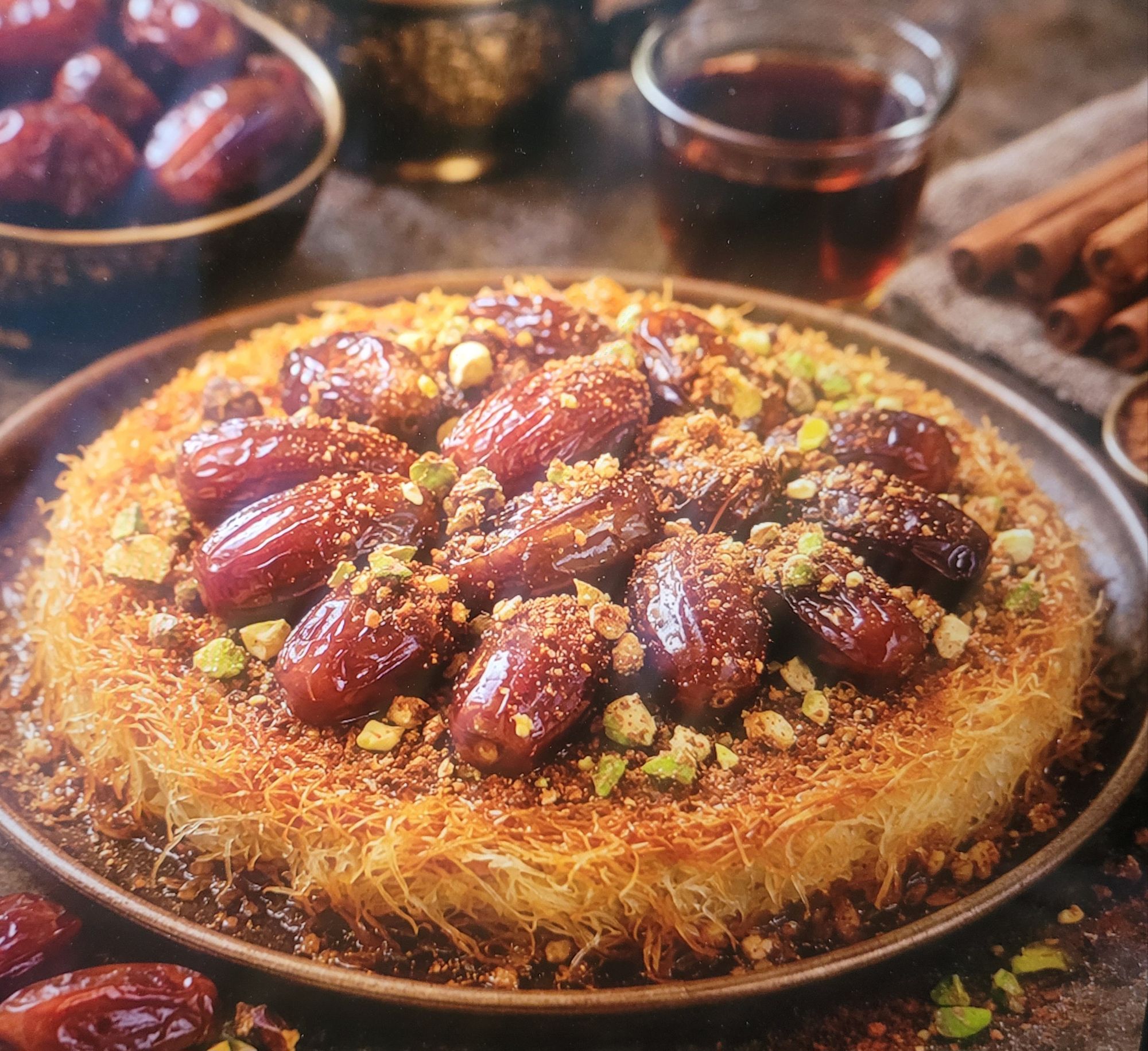
Ending with Sweetness: Date & Cinnamon Khunafa
Every Leadership Spice reflection ends where it began – with food.
Because leadership, much like cooking, is about balance, timing, and heart.
Date & Cinnamon Khunafa
Ingredients:
- 1 cup khunafa pastry (shredded)
- 2 tbsp melted butter or ghee
- ½ cup soft dates, chopped
- ½ tsp cinnamon powder
- ¼ cup sugar
- ¼ cup water
- Rose or orange blossom water (optional)
Method:
- Toast khunafa lightly in butter or ghee until golden.
- Layer half in a pan, add dates mixed with cinnamon.
- Top with remaining khunafa and press gently.
- Cook on low heat until crisp on both sides.
- Pour warm syrup over hot khunafa.
Sweet. Grounded. Comforting.
Much like friendships that endure and leadership that lasts.
Leave a Reply