When Leadership Met the Mat
Through my years of working with leaders across industries, I have observed one truth. The most grounded leaders do not always have the loudest voices. They often lack the strongest strategies. They have learned the subtle art of being still while in motion. They lead with awareness rather than anxiety.
When I joined a 7-day yoga camp some years ago, I was surprised. The experience mirrored the lessons I’ve been teaching and witnessing in boardrooms. Yet, as the days unfolded, I found myself rediscovering leadership through asana and pranayama.
Lesson 1: Watching the Breath, Watching the Mind
Our mornings in the camp started at 6.00 am with the activity of focusing on the breath and reflecting on the thought of the day. Sounds simple, but for me, it was difficult to focus. The mind is not in control and keeps wandering. I was not sure if I was doing it right and whether I was aligned or not. It reminded me so much of how I often entered meetings, mentally rehearsing, over-preparing, striving to get everything “right.”
Our instructor’s calm voice broke the chatter:
“Just watch your breath. Don’t control it – just notice it.”
That single instruction shifted something inside me. Over the next few days, I observed how the breath reflects our leadership energy. When we push too hard, it becomes shallow and strained. When we allow flow, it deepens, naturally balancing effort with ease.
This activity reminded me of a senior leader I once coached. Brilliant, driven, and deeply committed but often exhausted. His need for control made him breathe (and lead) in short, sharp bursts. Over time, as he practiced “pausing before reacting,” he found a rhythm. This rhythm transformed his team’s morale. It also improved his peace of mind.
My takeaway from this is that leadership is so much like yoga. It’s about staying present, letting go of control, and trusting the process enough to let things flow.
Lesson 2: Ego, Comparison, and the Grace of Falling
We moved into the difficult asanas. I caught myself comparing to see who seemed more flexible. I also checked to see who held their balance longer. It’s such a human thing, this quiet habit of measuring ourselves against others. And the instant I became aware of it, my own balance wavered.
This experience was humbling yet familiar. In leadership, ego often creeps in quietly. It happens through the need to prove, to outperform, and to be seen. I’ve seen remarkable leaders stumble when comparison replaces curiosity.
In one of my training sessions with a group, one of the speakers who was a very senior leader with that organization said something that has stayed with me:
“The moment I stopped competing with my peers and started learning from them, I became lighter.”
Yoga reminded me that falling out of balance isn’t failure. It’s awareness that creeps in softly, inviting curiosity instead of judgement. This helps us to feel, breathe, and realign. The ego resists, but awareness restores.
As Daisaku Ikeda beautifully says:
A profound change in just one person can influence an entire society. This individual transformation can lead to a societal shift.
That revolution, whether on the mat or in leadership, begins when we let go of ego. It starts as we breathe into humility.
Lesson 3: From the Mat to the Meeting Room
By the end of the camp, a small ritual of taking three slow breaths had become second nature to me. Whether it was before any conversation or decision, I paused to take three slow breaths. This helped clarity set in and replace the clutter. I realized yoga hadn’t just strengthened my body; it had expanded my capacity to listen. I was always a good listener. Or so I thought. Now I have started listening better. I listen not only to others but to myself.
The best leaders I’ve known take a mindful breath before they speak. They observe before they act. They embody steadiness and ease in every posture, and every situation.
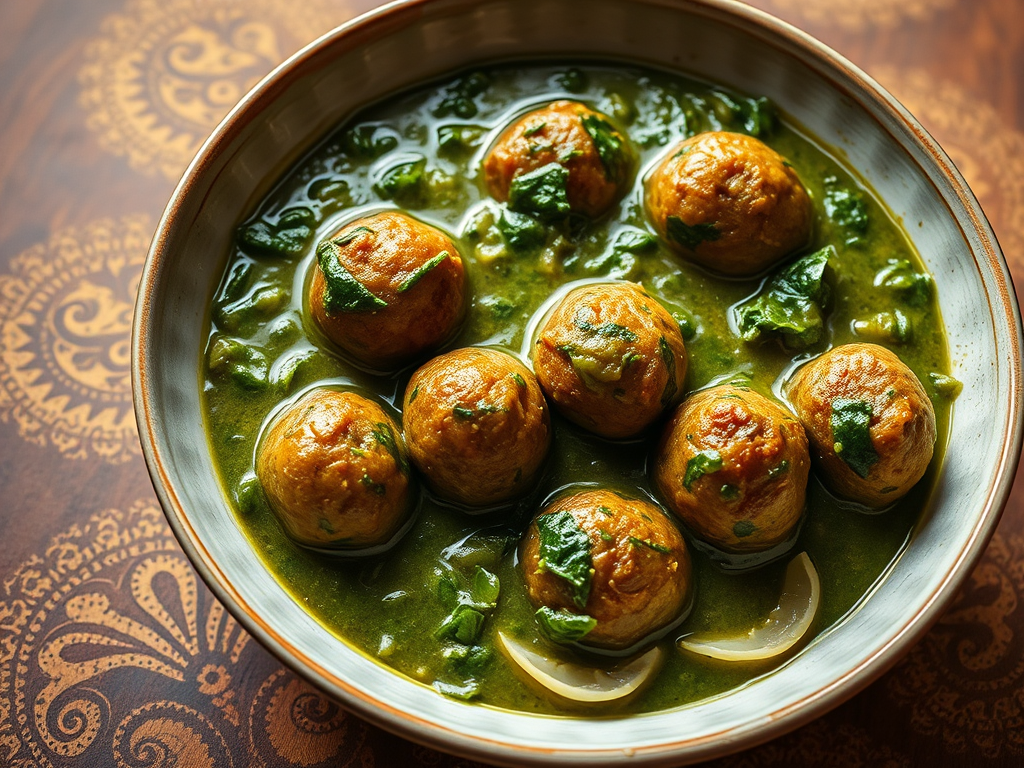
Satvik Recipe: Lauki Kofta in Palak Gravy
After seven days of early mornings, gentle satvik meals, and quiet introspection, I came home with a memory. I am sharing a nice satvik lauki kofta recipe below. This Satvik Lauki Kofta in Palak Gravy is light and grounding. It is completely free of onion and garlic. It is perfect after a day of mindful practice.
Ingredients
For Koftas:
- 1 medium bottle gourd (lauki), peeled and grated
- 2 tbsp besan (gram flour)
- Salt to taste (or rock salt for satvik cooking)
- A pinch of turmeric and cumin powder
- 1 tsp ghee (for brushing or shallow frying)
For Palak Gravy:
- Two cups spinach leaves (blanched and blended)
- 1 tsp ghee
- ½ tsp cumin seeds
- 1 tsp grated ginger
- ½ tsp coriander powder
- ½ tsp aamchur powder
- ¼ tsp garam masala
- Salt to taste
Method
- Make Koftas: Squeeze out extra water from grated lauki. Mix with besan, salt, and spices. Shape into small balls and bake, air-fry, or shallow fry in ghee until golden.
- Prepare Gravy: Heat ghee, add cumin and ginger. Add spinach puree and spices. Simmer gently for 5–7 minutes.
- Combine: Add koftas to gravy just before serving. Garnish with a swirl of fresh cream or coconut milk.
Serve with steamed rice or phulka. It’s delicious, simple, sattvic, and soul-soothing.
Closing Reflection
Both yoga and leadership are lifelong practices. Each day, we’re invited to stretch – not just our bodies, but our minds, our patience, and our ego boundaries.
The more I practice, the more I see that leadership, like yoga, isn’t about perfection. It’s about presence. Growth happens not when everything goes smoothly, but when we stay centered amid the stretch and the strain. And when we’re truly present, we create space for others to rise, connect, and bring their best selves forward.
After a long day of leading and learning, a bowl of satvik food may help us. It can lead us back to that calm center, one mindful bite at a time.
Leave a Reply